PhilaPort and the Delaware River Keep Pennsylvania Trading With the World
Philadelphia's port on the Delaware River links Pennsylvania farms, factories and energy to ocean shipping — an economic engine that works quietly downstream from Center City.
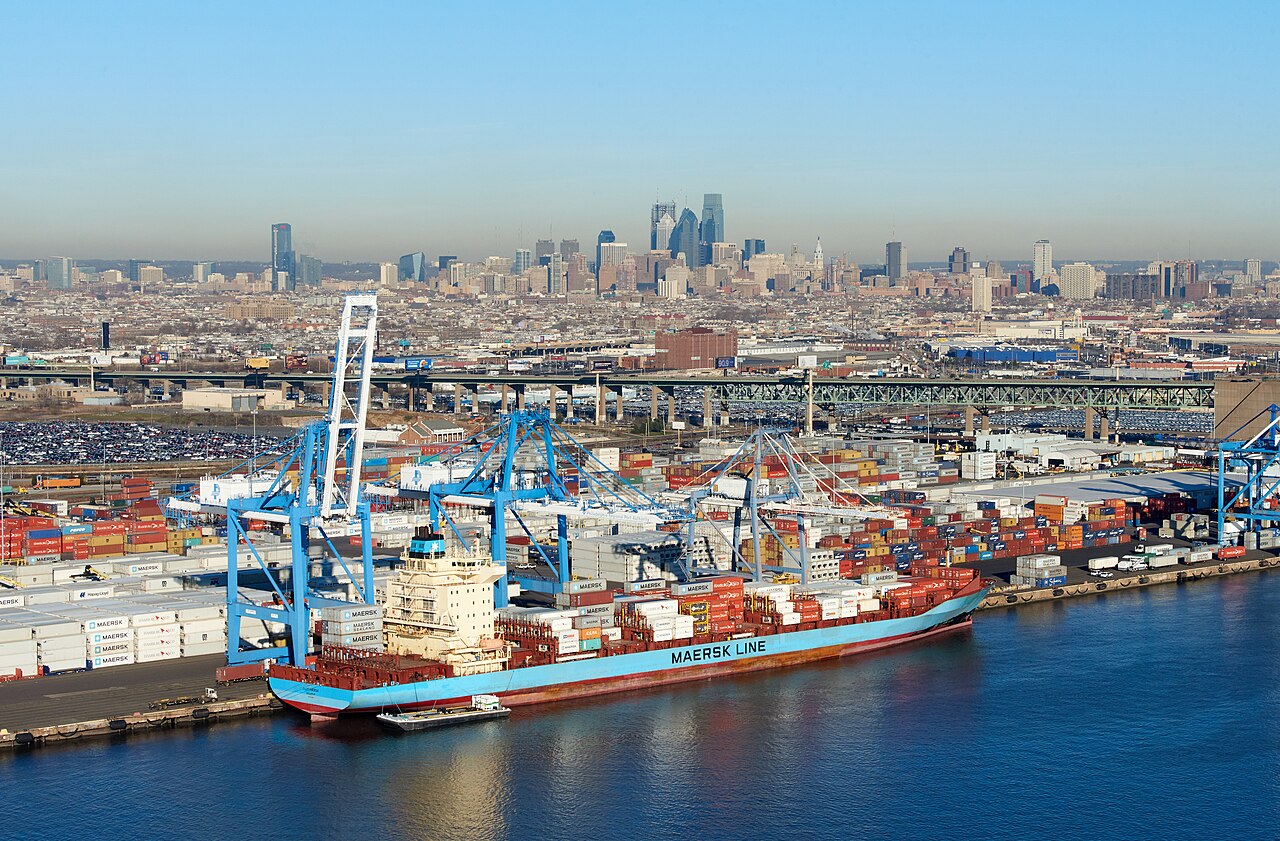
Philadelphia began as a port, and the Delaware River still carries that original business. PhilaPort, the city's port complex along the river in South Philadelphia and downstream, handles cargo ships, containers, vehicles, produce and bulk goods moving between Pennsylvania and markets across the Atlantic and beyond.
A port's reach extends far inland. Trucks and rail lines connect the docks to warehouses, manufacturers and farms across Pennsylvania, so a ship berthing on the Delaware can be carrying goods bound for Harrisburg, the Lehigh Valley or Pittsburgh — and Pennsylvania products heading out on the return trip.
Port work is also neighborhood work. Longshore, trucking, warehouse and logistics jobs cluster around the river in South Philadelphia and the Northeast's distribution corridors, and the port's fortunes ripple into diners, suppliers and services that support round-the-clock cargo operations.
The river imposes its own discipline. Channel depth, tides, bridges including the Walt Whitman and Benjamin Franklin spans, and coordination with New Jersey ports across the Delaware all shape what ships can call and when — a shared river that two states must manage together.
For residents, the port is mostly invisible behind fences and cranes glimpsed from I-95. It is worth remembering what those cranes mean: Pennsylvania's front door to the ocean, still open for business more than three centuries after the first ships tied up at Penn's Landing.
The port's terminals are secure working areas rather than public attractions, but the river traffic they generate is visible from waterfront parks and bridges. Every freighter passing under the Walt Whitman Bridge is the port's public face, moving Pennsylvania commerce in plain sight.