
I-95, the Schuylkill and SEPTA: A Philadelphia Commuter's Field Guide
Philadelphia traffic runs on a few famous arteries — I-95 along the river, I-76's Schuylkill Expressway, I-676 across Center City — with SEPTA as the parallel system that keeps the city moving.
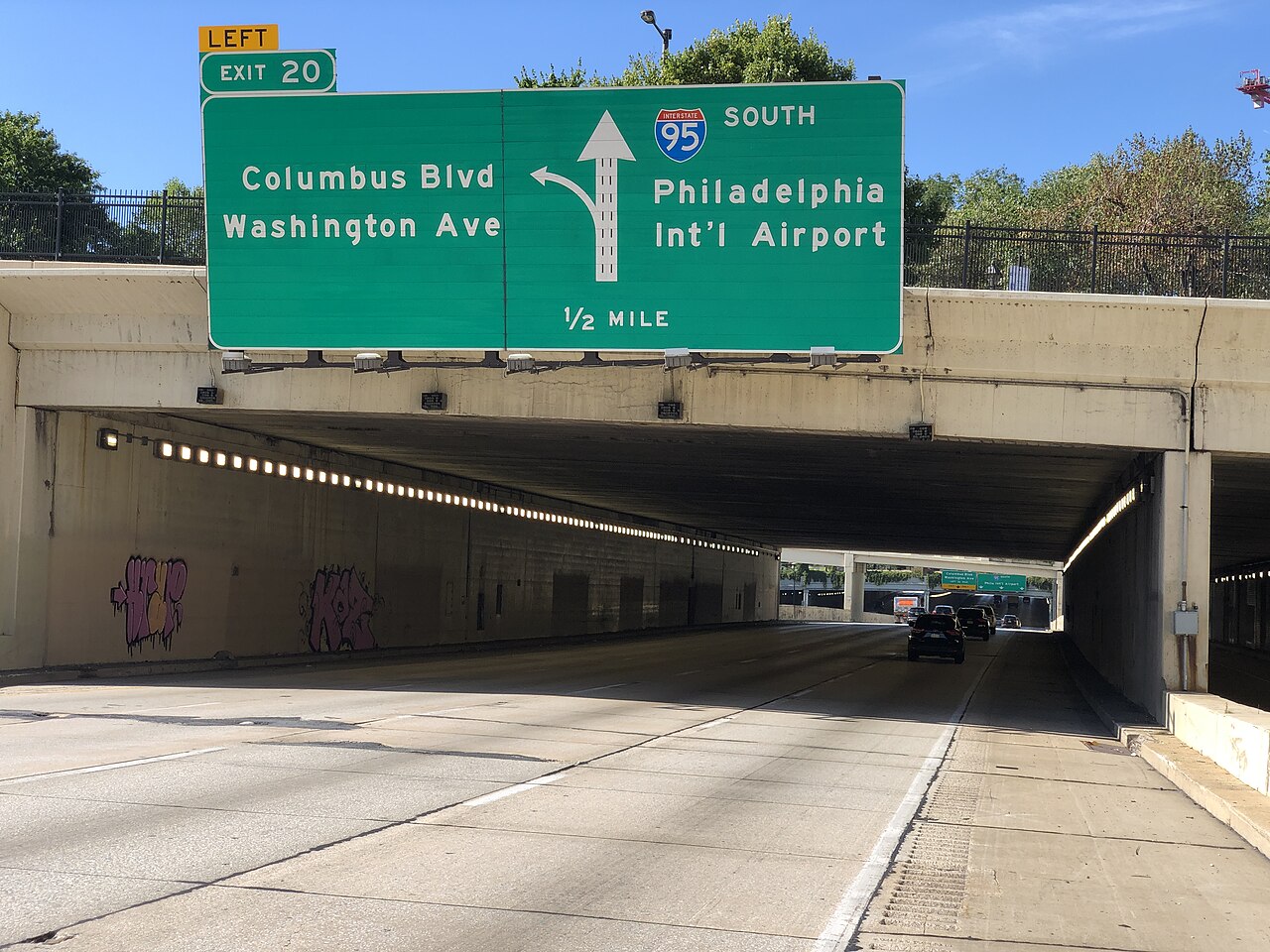
Ask Philadelphians about traffic and they will name the roads like relatives. Interstate 95, the Delaware Expressway, runs the length of the city along the river from the Northeast to the airport and the sports complex. Interstate 76, the Schuylkill Expressway, squeezes between river and hills from Center City toward Manayunk and King of Prussia. Interstate 676, the Vine Street Expressway, cuts across Center City to the Benjamin Franklin Bridge.
Each road has its own temperament. I-95 carries the region's heaviest through traffic and port trucks; the Schuylkill is famously constrained by its riverside geography; and I-476, the Blue Route, arcs through the western suburbs as the bypass that ties the Pennsylvania Turnpike to I-95 south of the city.
SEPTA is the pressure valve. Regional Rail, the Market-Frankford and Broad Street lines, trolleys and buses move commuters on days when the expressways cannot, and major events at the South Philadelphia sports complex work only because the Broad Street Line's NRG Station absorbs crowds that no parking lot could.
Event nights rewrite the map just as surely as construction. Eagles games at Lincoln Financial Field, concerts and festivals on the Parkway all reward the same strategy: take transit if you can, park once if you drive, and let the first departure wave pass before joining I-95 or I-76.
Philadelphia's commuter wisdom is finally simple: know two ways to every destination — one by road, one by rail or bus — and check conditions before you commit. A city built before the automobile always keeps its older options open.
PennDOT and the city publish construction and closure notices for the expressways and major streets. A two-minute check before a cross-city drive — especially on event nights in South Philadelphia — is the cheapest time a Philadelphia commuter can buy.