
How to Follow Philadelphia's Budget, Audits and Open Records
City Hall's budget books, the City Controller's audits and Pennsylvania's Right-to-Know Law give Philadelphians real tools to follow public money — if they know where to look.
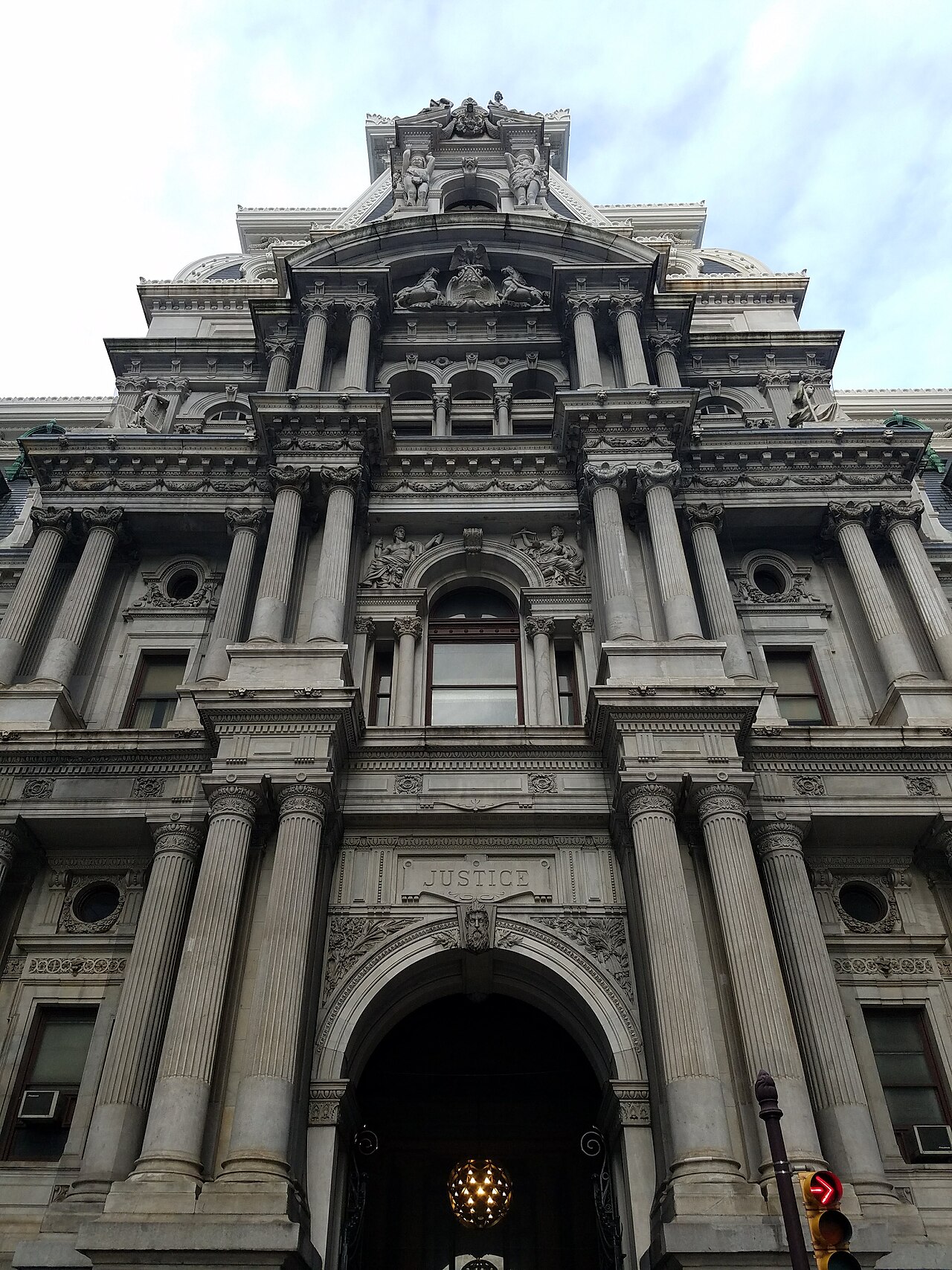
Philadelphia's government runs on a budget adopted by City Council and signed by the mayor, covering everything from the Philadelphia Police Department and streets to libraries and the School District of Philadelphia's city contribution. The budget documents are public, and their summary sections are written for residents, not only accountants.
Start with the big picture: total spending by department, how it changed from the prior year, and which services grew or shrank. Then follow one department you actually use — sanitation, recreation, or police — through hearings where council members question officials on the record, in sessions the public can attend or watch.
The City Controller's office adds an independent check, auditing city departments and publishing findings on whether money was spent properly and programs worked as promised. Reading an audit together with the department's response shows both the problem and the correction, which is the honest way to judge either.
Pennsylvania's Right-to-Know Law opens most other records. Residents may request records from the city agency that holds them, agencies must respond within the law's timelines, and denials can be appealed to the state Office of Open Records. Narrow, specific requests — a named report, a date range — work fastest.
Oversight is a habit, not an event. Philadelphians who read one budget summary, one audit and one council hearing a season know more about their government than rumor ever teaches — and City Hall publishes nearly all of it for exactly that purpose.
A manageable first step is to pick one topic — a park, a library branch, a street you drive — and trace its funding through the budget summary and one hearing. Following a single dollar's path teaches the whole system faster than skimming everything.